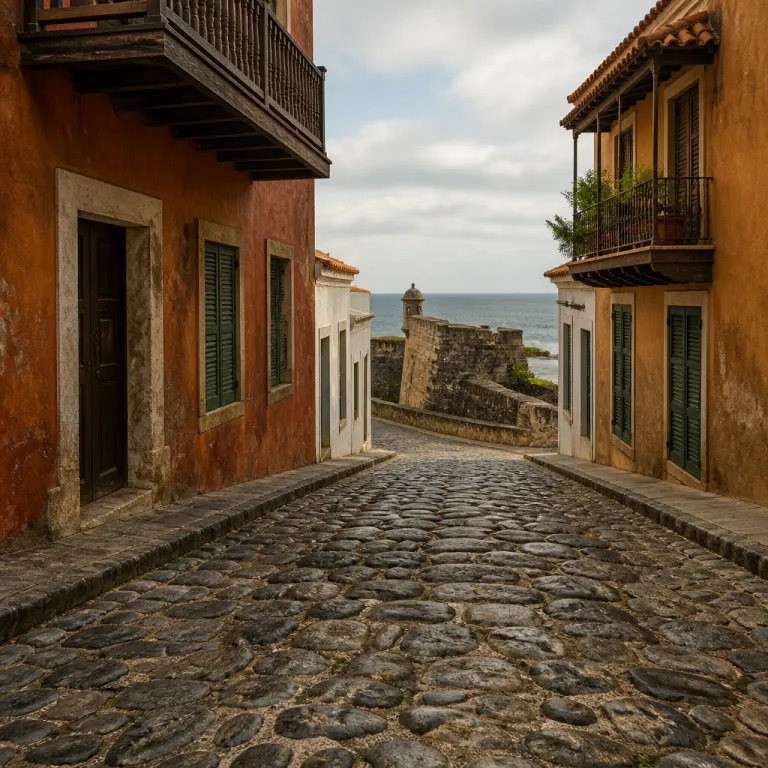
Why historic sites in Old San Juan matter when choosing your hotel
Old San Juan is a compact colonial city where your hotel choice can define how you experience its historic places. Staying within the walled city means that major historic sites in Old San Juan are located within walking distance, turning every stroll into a quiet history tour through cobblestone streets and pastel façades. For travellers focused on culture, choosing a room near the city walls, a central plaza, or streets such as Calle Fortaleza and Calle San Sebastián can be more valuable than an extra star rating or a larger pool.
The heart of San Juan, Puerto Rico, is officially protected as the San Juan National Historic Site, managed by the National Park Service as part of the wider U.S. national park system. This national historic designation covers the massive fortifications, including Castillo San Felipe del Morro, Castillo San Cristobal, and long stretches of city walls that still embrace the old city and its harbour views. If your hotel is located inside this protected area, you wake up surrounded by Puerto Rican history rather than needing a transfer from a distant resort or beach district.
Many travellers compare hotels in the wider San Juan Puerto Rico area without realising how different it feels to stay inside the colonial grid. A property just outside Old San Juan can require taxis or rideshares to reach each historic site, while a room near Plaza de Armas or Plaza Colón lets you walk to El Morro in about fifteen minutes at a relaxed pace. For guests who value atmosphere, the ability to step from lobby to cobblestone street and see the Spanish city unfold in every direction is often the deciding factor when choosing where to sleep.
El Morro and the city walls as your daily backdrop
Castillo San Felipe del Morro, usually called El Morro, is the most iconic historic site in Old San Juan and a powerful anchor when you plan where to stay. The fortress stands at the northwestern tip of the city, where the Atlantic meets San Juan Bay, and many hotels frame partial views of its ramparts, the green esplanade, or the surrounding ocean and harbour traffic. If you choose a room facing the coast, sunrise light over the national historic fortifications can become part of your morning ritual and a daily reminder of the city’s strategic past.
El Morro is part of the San Juan National Historic Site, which also includes roughly 3 miles (about 4.8 kilometres) of city walls that once protected the colonial city of San Juan Puerto Rico. These city walls, some up to twelve metres high, now serve as a dramatic walking route that links several historic places, from the bastions near La Fortaleza to the sentry boxes above the Paseo del Morro trail and the waterfront promenade. If you stay near a gate in the walls, you can join guided tours by the National Park Service or simply wander at sunset as cruise ships glide past and locals gather on the lawns.
According to National Park Service visitor statistics, annual visitation to the San Juan National Historic Site, including El Morro, reaches hundreds of thousands of people, which means timing your visit from your hotel matters. Guests staying inside Old San Juan can walk to the fortress early, before tour buses arrive, and enjoy quieter views of the Felipe del Morro lighthouse and the grassy park that surrounds it. If you prefer evenings, a short walk back to your room after watching the sky change colour above the Atlantic is far more pleasant than a long ride through city traffic and crowded avenues.
Castillo San Cristobal, La Fortaleza and the power corridor of history
On the eastern side of Old San Juan, Castillo San Cristobal forms a second anchor for planning your stay around historic sites in Old San Juan. This massive Spanish fortress once guarded the land entrance to the city, and today its tunnels, dungeons, and sweeping terraces offer some of the best views over the modern city of San Juan Puerto Rico and the Atlantic coastline. Choosing a hotel near San Cristobal means you can reach both the historic site and the cruise piers on foot, which is ideal if you are combining a voyage with a few nights ashore before or after sailing.
Walking west from Castillo San Cristobal along Calle Fortaleza, you enter a corridor lined with colourful colonial houses that leads to La Fortaleza, the oldest continuously used governor’s residence in the Americas. La Fortaleza is part of the San Juan National Historic Site and is listed on the National Register of Historic Places, reflecting its central role in Puerto Rican political history and colonial administration. Hotels located along this route place you between the military power of Castillo San Cristobal and the civil authority of La Fortaleza, giving your stay a front row seat to centuries of governance and ceremonial life.
Because La Fortaleza is both a working residence and a historic site, access can vary, so staying nearby lets you adapt quickly to tour schedules or temporary closures. From many nearby properties, you can walk to the Fortaleza gates in under five minutes, then continue to the city walls that drop toward Paseo de la Princesa and the harbour. This flexibility is especially valuable if you want to balance structured tours with unplanned wanderings through the colonial streets of San Juan, stopping at small cafés, viewpoints, and artisan shops along the way.
Plazas, churches and quieter corners that shape an elegant stay
Beyond the headline forts, the plazas and churches of Old San Juan give the city its daily rhythm and can strongly influence where you choose to sleep. Plaza de Armas, Plaza Colón, and Plaza de San José each offer a different atmosphere, from government buildings and cafés to art galleries, fountains, and evening street music. Selecting a hotel near one of these squares means that historic places are not just daytime attractions but part of your evening routine, visible from your balcony or just a short stroll away.
Near Plaza de San José stands the Church of San José, one of the oldest examples of Spanish Gothic architecture in the Americas and a key historic site for visitors interested in religious history. A short walk away, the Cathedral of San Juan Bautista holds the tomb of Juan Ponce de León, often written as Ponce de Leon in older texts, anchoring the spiritual and political story of San Juan Puerto Rico in a single building. Hotels located between these churches allow guests to explore both sanctuaries in a single morning, then retreat to shaded courtyards or rooftop terraces during the warmest hours of the day.
For travellers who prefer quieter evenings, staying slightly away from the busiest bar streets but close to a central plaza can be ideal. You might choose a property near Plaza de Armas, where the sound of church bells and local conversations replaces late night music, yet every major historic site remains within a ten minute walk or gentle uphill climb. This balance between calm and access is one of the main advantages of sleeping inside the colonial grid rather than in a distant part of the city or a purely modern hotel district.
How preservation efforts enhance your experience of Old San Juan
The charm that draws travellers to historic sites in Old San Juan is not accidental; it is the result of decades of preservation work. The San Juan National Historic Site, together with the Institute of Puerto Rican Culture and the local government, coordinates restoration projects that keep the colonial city livable for residents and appealing for guests. When you book a hotel inside the old city, you directly benefit from these efforts, from well maintained plazas to carefully conserved façades and restored balconies.
Conservation teams use archival documents, archaeological methods, and modern conservation techniques to stabilise city walls, repair bastions, and restore historic houses that now host museums, galleries, and sometimes hotels or guesthouses. This ongoing work supports the goals of protecting historical integrity, enhancing cultural identity, and boosting tourism, which in turn sustains the hospitality sector that serves visitors from around the world. Because the area is recognised on the National Register of Historic Places and as part of a UNESCO World Heritage Site, according to UNESCO and National Park Service documentation, any renovation of a historic site or building must respect strict guidelines, giving guests confidence that the colonial character of San Juan Puerto Rico will endure for future generations.
Visitors are encouraged to engage with this preservation story during their stay, whether by joining a guided tour led by National Park Service rangers or by visiting museums managed by the Institute of Puerto Rican Culture. Practical advice from local experts remains simple but effective: wear comfortable shoes for cobblestone streets, visit early to avoid crowds, and check weather forecasts before planning long walks along the city walls and seaside paths. Choosing a hotel that supports or highlights these preservation initiatives can add a meaningful layer of purpose to an otherwise standard city break or weekend escape.
Planning your stay around tours, timing and practical logistics
Once you have decided to focus on historic sites in Old San Juan, the next step is aligning your hotel choice with tours and logistics. Many properties in the old city coordinate directly with licensed guides who offer walking tours that cover El Morro, Castillo San Cristobal, La Fortaleza, and key plazas in a single morning or afternoon. If you stay nearby, you can join these tours at a plaza meeting point instead of arranging separate transport from another part of San Juan Puerto Rico or waiting for group shuttles.
Guided visits are widely available; as the National Park Service notes in its visitor information, ranger-led tours are offered at the San Juan National Historic Site. Hotels located close to the main entrances of the fortifications make it easier to join walks that explain the military history of San Felipe del Morro, the engineering behind the city walls, and the role of the forts in wider Caribbean trade routes. Because entrance fees and schedules can change, front desk teams often help guests check current information before they set out toward each historic site or purchase passes.
From a practical perspective, staying in Old San Juan reduces reliance on taxis and allows you to structure your days around cooler morning and evening hours. You might explore the national park areas at dawn, return to your room during midday heat, then head out again for sunset views from the bastions above the harbour and the bay. This rhythm suits both short city breaks and longer stays, giving you time to appreciate the layers of history that make San Juan national heritage and Puerto Rican culture so compelling for curious travellers.
Key figures that frame the historic landscape of Old San Juan
- The San Juan city walls extend for about 3 miles, or roughly 4.8 kilometres, according to the National Park Service, creating one of the most extensive surviving colonial fortification systems in the Caribbean.
- Visitor statistics published by the National Park Service show that the San Juan National Historic Site, including El Morro, welcomes hundreds of thousands of people each year, which highlights why staying nearby and visiting early in the day can significantly improve your experience.
- The first permanent Spanish settlement in the area dates back to the early sixteenth century, meaning that many streets you walk from your hotel to each historic site follow routes laid out more than five hundred years ago.
- Old San Juan’s recognition as part of a UNESCO World Heritage Site and its listing on the National Register of Historic Places have helped attract sustained investment in preservation, which in turn supports the hospitality sector that serves cultural travellers.
FAQ about historic sites in Old San Juan and hotel stays
What is the oldest building near most hotels in Old San Juan?
La Fortaleza, located on the western side of the old city, is considered the oldest continuously used governor’s residence in the Americas and dates to the early sixteenth century. Many hotels sit within a ten minute walk of its gates, making it an easy first stop after check in. Because it is both a working residence and a historic site, access may be limited on some days, so ask your front desk to confirm current visiting hours and any security restrictions.
Are guided tours of El Morro and San Cristobal easy to join from local hotels?
Yes, guided tours of Castillo San Felipe del Morro and Castillo San Cristobal are straightforward to join when you stay in Old San Juan. The National Park Service offers ranger led walks that explain the military history, architecture, and role of these forts within the San Juan National Historic Site and the wider Caribbean. Many hotels either host guides in their lobbies or direct guests to meeting points at nearby plazas or park entrances, often within a short walk.
Is there an entrance fee for El Morro and how should I plan around it?
There is an entrance fee for El Morro, and the National Park Service advises visitors to check its official information channels for current prices and any changes. The same ticket usually covers both El Morro and San Cristobal, which is convenient if your hotel is located between the two forts or near the main access points. Because lines can form later in the day, guests staying nearby often visit early, then return to their rooms before midday heat or combine the visit with a break in a shaded café.
How long should I stay in Old San Juan to see the main historic places?
A stay of two to three nights in a hotel inside Old San Juan is usually enough to visit El Morro, San Cristobal, La Fortaleza, the main plazas, and key churches at a comfortable pace. With four or more nights, you can add museums managed by the Institute of Puerto Rican Culture, explore less visited streets, and enjoy more leisurely meals in local restaurants. The compact size of the city means that even a short stay can feel rich in history if you choose a central location and plan your walks thoughtfully.
Is Old San Juan walkable from most centrally located hotels?
Old San Juan is highly walkable, and most centrally located hotels place you within a fifteen minute walk of every major historic site. The main challenge is the combination of cobblestone streets, hills, and tropical heat, which is why comfortable shoes and strategic breaks are essential for most visitors. Many guests plan morning and late afternoon walks, returning to their rooms during the hottest hours to rest before heading back out to the plazas and city walls.
Trusted references
- National Park Service – San Juan National Historic Site visitor information and statistics
- Institute of Puerto Rican Culture – Old San Juan museums and cultural programs
- UNESCO World Heritage Centre – Old San Juan historic zone and fortifications