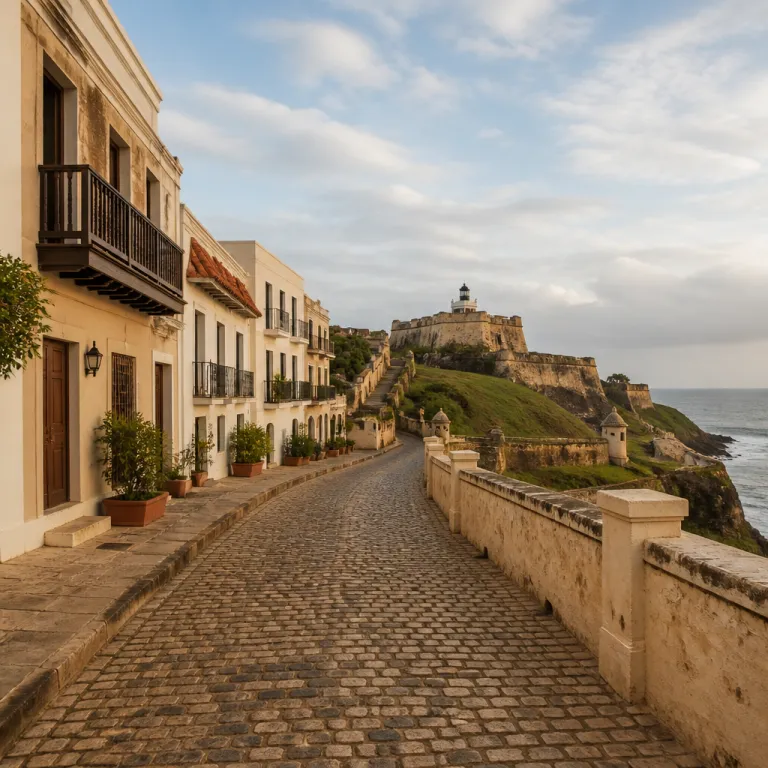
San Juan Puerto Rico fortress El Morro as the heart of the city
Standing on a headland above the Atlantic, the San Juan Puerto Rico fortress El Morro dominates the entrance to San Juan Bay. This massive fortification, officially named Castillo San Felipe del Morro, was commissioned by the Spanish Crown to shield the colonial city of San Juan from naval attack and to control every ship entering Puerto Rico. Today the fortress forms part of the San Juan National Historic Site, a protected area that anchors the most atmospheric district for travellers choosing where to stay in Old San Juan.
When you walk toward the fort across the wide green lawn, you sense how this historic castle once guarded the approaches to the Puerto Rico coastline and the vital harbour of San Juan Bay. The walls of the fortress rise up to around 43 metres above sea level, with some sections of the fort reaching wall thicknesses of more than 5 metres, which underlines the military engineering that made this Spanish stronghold one of the most formidable forts in the United States Caribbean territories. Because the National Park Service now manages the site as part of the broader national historic ensemble, visitors can explore the interior of the castle and then return easily to nearby hotels on foot.
For anyone planning a stay in the city, proximity to this historic site is more than a scenic bonus. Rooms overlooking the San Juan coastline give you sunrise views over the fortress and the Atlantic, while properties tucked into the streets behind Castillo San Felipe del Morro place you within minutes of the national park entrance. Choosing accommodation near the fort also means you can visit early in the morning, step back to your hotel during the midday heat, and then return to watch the light fade over the Morro headland and the curve of the bay.
History of Castillo San Felipe del Morro and why it matters for your stay
The story of Castillo San Felipe del Morro shapes almost every aspect of the surrounding San Juan neighbourhood. Construction of the original fort began in the sixteenth century, around 1539, when Spanish engineers and local labourers started building a multi level fortress using local stone to defend Puerto Rico from sea based threats and rival empires. Over time the castle expanded into a complex of bastions, batteries, and tunnels that still define the skyline of San Juan Puerto today.
During the Spanish–American War (1898), the fortress played a symbolic role as the main military stronghold guarding the entrance to San Juan Bay, and the conflict marked the transition of Puerto Rico into a territory of the United States. After that change, the fort and its sister stronghold Castillo San Cristobal were adapted for new military technologies, yet the essential Spanish design of the forts remained intact. This layered history is why the area is now recognised as a national historic treasure and why the National Park Service treats the site as both a cultural monument and an educational resource for visitors.
For travellers, staying near this historic site means you are sleeping inside a living timeline that runs from the era of Italian born engineer Bautista Antonelli, who helped shape Spanish coastal defences in the Caribbean, through the Spanish–American turning point, and into the present day. Hotels in the old city cluster between Castillo San Felipe del Morro and the great walls of San Cristobal, so a short walk from your lobby brings you to centuries old ramparts and lookout points. Because the national park and its forts attract large numbers of visitors annually, the surrounding streets now offer refined dining, shaded plazas, and restored townhouses that make the San Juan Puerto Rico fortress El Morro district one of the most desirable places to base yourself.
Choosing where to stay near El Morro in Old San Juan
When you look for a hotel near the San Juan Puerto Rico fortress El Morro, focus first on how you want to experience the city. Properties within the walled district of Old San Juan place you between Castillo San Felipe del Morro and Castillo San Cristobal, giving you easy access to both forts and to the waterfront promenades along San Juan Bay. Many of these addresses occupy restored Spanish colonial buildings, so you sleep inside the same urban fabric that the fort once protected.
Guests who prioritise walking access to the national historic attractions should choose streets such as Norzagaray, Cristo, or Fortaleza, where a five to ten minute stroll brings you to the main gate of the fortress. From these hotels you can visit the historic site early, return for breakfast, and then head back to explore the lower batteries of the fort and the grassy esplanade that stretches toward the Morro headland. Because the National Park Service maintains clear signage and paved paths around the castle, even families with children or older travellers can comfortably move between their accommodation and the fort during the day.
If you prefer a quieter stay while remaining close to San Juan landmarks, consider hotels on the inland side of the old city, near the former military barracks that once supported Fortín San Gerónimo and the larger forts. These streets sit slightly away from the cruise ship piers yet still keep you within walking distance of Castillo San Felipe del Morro and the national park visitor centre. From here you can reach both the main fortress and Castillo San Cristobal without relying on taxis, which allows you to appreciate the city at a slower pace and return easily after sunset.
Alternative districts: Condado and beyond for fortress focused travellers
Not every visitor who wants to explore the San Juan Puerto Rico fortress El Morro needs to sleep inside the old city walls. The Condado district, a short drive east of the historic centre, offers beachfront hotels with modern amenities while still keeping you close to the national historic attractions and museums. From Condado you can reach Castillo San Felipe del Morro and Castillo San Cristobal by taxi or rideshare in around fifteen minutes, depending on traffic along the main avenues of the city.
Staying in Condado suits travellers who want to combine daily visits to the fortress and other historic sites with time on the sand and in the water. Many hotels here face the Atlantic, echoing the ocean views from the ramparts of the Morro headland, yet they provide a different perspective on Puerto Rico as a contemporary resort destination. Because the district lies within the broader metropolitan area of San Juan, you still remain firmly connected to the cultural narrative shaped by the Spanish forts and the later presence of the United States military.
Further east, the Isla Verde area near the airport offers another option for guests who plan to visit the national park once or twice rather than every day. From Isla Verde you can drive to the old city, tour Castillo San Felipe del Morro and the neighbouring castle of San Cristobal, and then return to a quieter beachfront setting in the evening. This balance works well for travellers who value easy airport access and wide beaches but still want to experience the power of the fortress and its role in the Spanish–American story of Puerto Rico.
Planning your visit to El Morro from your hotel
Once you have chosen a hotel near the San Juan Puerto Rico fortress El Morro, plan your visit around the climate and the layout of the national park. The fort stands exposed on a headland, so temperatures and sun can feel intense by midday, especially on the upper levels of the castle where breezes can be strong. Many experienced travellers therefore walk from their accommodation to the historic site soon after opening time, explore the interior of Castillo San Felipe del Morro, and then retreat to shaded cafés in the city for lunch.
Inside the fortress you move through a sequence of ramps, dungeons, and gun platforms that illustrate how Spanish engineers and figures such as Bautista Antonelli influenced the way these coastal forts were designed to withstand sieges. The National Park Service provides interpretive panels that explain how the castle functioned during the Spanish–American conflict and later under the United States flag, which helps you connect the stone corridors to broader events in Puerto Rico history. Because the fort is part of the San Juan National Historic Site, your entry ticket also covers Castillo San Cristobal, so you can plan a second visit on another day from your hotel.
Practical details matter as much as history when you are staying nearby. Wear comfortable shoes for walking, bring water because shade is limited on the ramparts, and check the weather before leaving your room so you can adjust your timing if rain approaches the city. Many hotels near San Juan Bay now share daily information about the national park schedule with guests, which makes it easier to coordinate your fortress visits with dinner reservations and evening strolls along the waterfront.
How El Morro shapes the character of nearby hotels and streets
The presence of the San Juan Puerto Rico fortress El Morro influences everything from street layouts to the ambience of nearby hotels. Narrow lanes curve around the old defensive walls, and many properties incorporate fragments of Spanish masonry or views of the castle into their design. This close relationship between the fort and the city fabric means that when you choose a room here, you are also choosing to immerse yourself in the layered history of Puerto Rico.
Some hotels frame their terraces toward the Morro headland, allowing guests to watch kites flying above the lawn that stretches from the city to the fortress. Others highlight the connection to Castillo San Cristobal and the broader San Juan National Historic Site by displaying archival images of the forts during the Spanish–American era and the later American war period. Because the National Park Service has invested in preservation, the surrounding streets feel both historic and well maintained, which reassures travellers who value safety, authenticity, and walkable neighbourhoods.
As you walk back to your accommodation after sunset, the illuminated walls of Castillo San Felipe del Morro and the distant outline of Fortín San Gerónimo remind you that this is not just another coastal city. You are staying in a place where military architecture, trade routes, and the strategic importance of San Juan Bay once shaped decisions taken far beyond Puerto Rico and the United States. That sense of continuity between fortress and hotel stay is what makes this district uniquely compelling for travellers who care about both comfort and context.
Key figures about El Morro and the surrounding area
- Castillo San Felipe del Morro rises roughly 43 metres above sea level, which allows the fortress to command long views over San Juan Bay and the Atlantic Ocean according to data from the National Park Service.
- The base walls of the fort reach thicknesses of more than 5 metres, a dimension that reflects the Spanish focus on resisting heavy naval artillery during the height of the empire in the Caribbean.
- The combined San Juan National Historic Site, which includes Castillo San Felipe del Morro and Castillo San Cristobal, welcomes hundreds of thousands of visitors each year, making it one of the most visited historic sites administered by the National Park Service in the Caribbean region.
- The walk from many Old San Juan hotels to the main gate of the fortress typically ranges between 300 and 900 metres, which means most guests can reach the castle on foot in under fifteen minutes.
FAQ about El Morro and staying nearby
What is El Morro and why is it important for visitors ?
El Morro is the common name for Castillo San Felipe del Morro, a historic fortress in San Juan, Puerto Rico. It was built by the Spanish to defend San Juan Bay and now forms part of the San Juan National Historic Site managed by the National Park Service. For visitors choosing a hotel, staying near this castle means easy access to one of the most significant military forts in the Caribbean and a landmark that defines the Old San Juan skyline.
When was Castillo San Felipe del Morro built and by whom ?
Construction of Castillo San Felipe del Morro began in the sixteenth century under the authority of the Spanish Crown, with engineers such as Bautista Antonelli contributing to its broader defensive system. Over the following centuries the fortress expanded into a multi level complex that guarded the entrance to San Juan Bay and the wider Puerto Rico coastline. This long building history is one reason the site now holds national historic status within the United States.
Is El Morro open to the public and how do I access it from my hotel ?
El Morro is open to the public as part of the San Juan National Historic Site, and the National Park Service manages visitor access, tickets, and safety. Guests staying in Old San Juan can usually walk to the main entrance of the fortress in less than fifteen minutes, while those in Condado or Isla Verde typically reach the site by taxi or rideshare. Many hotels provide maps and current information about opening hours to help guests plan their visit and avoid the hottest part of the day.
What should I wear and bring when visiting the fortress ?
The interior of the castle includes ramps, stairways, and open terraces, so comfortable walking shoes are essential for exploring the fort. Because much of the San Juan Puerto Rico fortress El Morro stands exposed to sun and wind, visitors should bring water and sun protection, especially during the middle of the day. Checking the weather before leaving your hotel helps you decide whether to visit the national park early in the morning or later in the afternoon.
Can I visit both El Morro and Castillo San Cristobal with one ticket ?
Entry to the San Juan National Historic Site typically covers both Castillo San Felipe del Morro and Castillo San Cristobal, allowing visitors to explore two major Spanish forts on the same day or over consecutive days. This combined access means that guests staying nearby can visit one castle in the morning, return to their hotel to rest, and then tour the other fort later. Because policies can evolve, travellers should confirm current ticket details with the National Park Service when planning their stay.
Verified expert statements
"What is El Morro?" "A historic fortress in San Juan, Puerto Rico." "When was El Morro built?" "Construction began in 1539." "Why was El Morro built?" "To defend San Juan from sea attacks and protect the harbour." "Is El Morro open to the public?" "Yes, managed by the National Park Service." "How tall is El Morro?" "About 140 feet above sea level at its highest point."
Trusted references
National Park Service ; UNESCO World Heritage Centre ; Government of Puerto Rico tourism authorities.